
Musculoskeletal Pain and Recovery
Common conditions treated include:

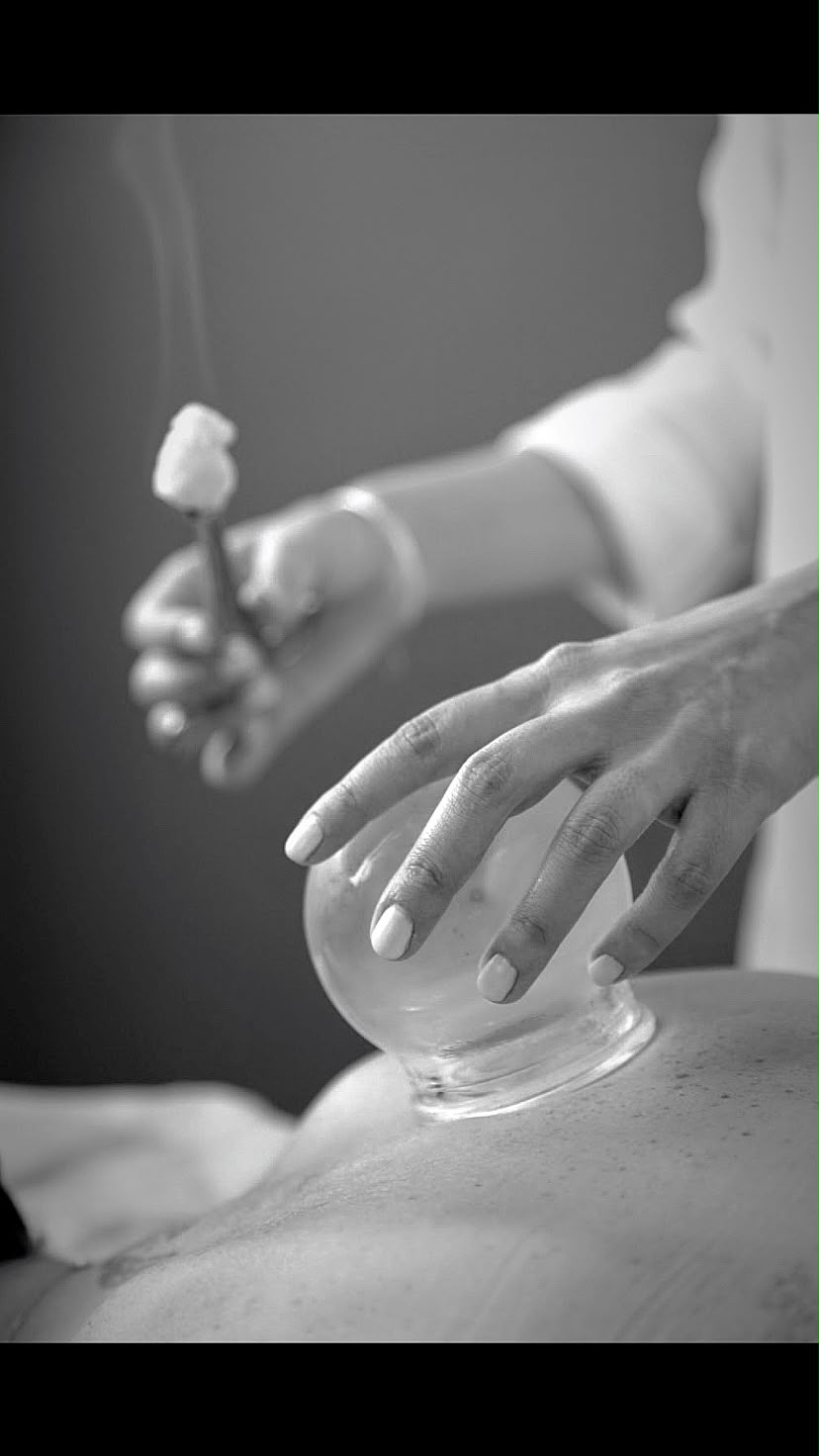
Treatment focuses on relieving pain, improving mobility and supporting recovery.
Frequently Asked Questions
Answers to the most common questions to support you with confidence.
Acupuncture works on the body’s energy channels, improves local circulation, releases deep muscular tension and encourages the body’s natural calming system. The result is reduced pain, improved mobility and significant relief.
For chronic pain, it is recommended to begin with a continuous series of 4 to 6 sessions to assess your response. Many report significant improvement after the first few sessions, then move to maintenance care.
Yes. Back pain and sciatica are among the conditions where Chinese medicine excels. Combining acupuncture, tuina and cupping allows deep muscular release, better circulation and significant relief.
Absolutely. Acupuncture helps release tension in the jaw, neck and shoulder muscles, and reduce teeth grinding and tension-related headaches. The treatment is gentle and adapted to sensitive areas.
Yes. Chinese medicine is a complementary care that integrates well with physiotherapy and conventional treatment, and can accelerate recovery and reduce reliance on pain medication.